



How Often Should You Get a Comprehensive Eye Exam?
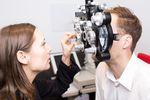
Many eye conditions develop gradually and without noticeable symptoms, which is why comprehensive eye exams play such a critical role in maintaining healthy vision. Rather than waiting for vision problems to arise, routine exams allow your optometrist to monitor changes, update prescriptions, and identify early signs of eye disease. Knowing how often to schedule these exams is an important step in protecting your eyesight.
What Is a Comprehensive Eye Exam?
A comprehensive eye exam is much more than a basic vision screening. While checking how clearly you see is an important part, a full exam evaluates the overall health of your eyes and visual system.
During a comprehensive eye exam, Dr. Calaway-Batky will typically:
• Measure your visual acuity to determine if you need glasses or contact lenses
• Update your prescription if your vision has changed
• Evaluate how well your eyes work together
• Check eye pressure and assess for signs of glaucoma
• Examine the front and back of the eye to look for early signs of disease
These exams allow us to detect changes that you may not notice on your own, often long before symptoms appear.
Why Regular Eye Exams Are So Important
Vision can change gradually, making it easy to adapt without realizing your eyesight isn’t as sharp as it could be. An outdated prescription can lead to headaches, eye strain, fatigue, and difficulty focusing - especially during screen use. Regular exams ensure your glasses or contact lenses provide the clearest, most comfortable vision possible.
Many serious eye conditions, including glaucoma, macular degeneration, and diabetic eye disease, often develop without noticeable symptoms in their early stages. By the time vision changes occur, damage may already be permanent.
Your eyes can reveal valuable information about your general health. Conditions such as diabetes, high blood pressure, and autoimmune diseases may show early signs during an eye exam. In some cases, an eye exam can lead to early diagnosis and referral for further medical care.
How Often Should You Get a Comprehensive Eye Exam?
For most adults, an annual comprehensive eye exam is recommended, even if you believe your vision is fine.
You may need more frequent exams if you:
• Have diabetes or other systemic health conditions
• Have a family history of eye disease
• Wear contact lenses
• Are over the age of 60
• Notice changes in vision, eye discomfort, or headaches
Schedule Your Comprehensive Eye Exam Today
Clear vision is just one part of healthy eyes. Regular comprehensive eye exams are essential for maintaining visual clarity, detecting eye disease early, and supporting overall health. Even if your eyesight seems stable, annual exams provide peace of mind and proactive care for your long-term vision.
If you’re due for your annual visit or have noticed changes in your vision, schedule a comprehensive eye exam at Lisa Calaway-Batky, OD, to ensure your eyes receive the care they need. Visit our office in Dallas, Texas, or call (214) 956-7800 to book an appointment today.


© 2026 La Vue Optique. All rights Reserved. Accessibility Statement - Privacy Policy - Sitemap
Powered by:
